
The Truth About Cupping Therapy Benefits

Most people seek bodywork because something doesn’t feel quite right—tight muscles, ongoing stress, or aches that won’t go away. Cupping therapy is one of the techniques that can make a noticeable difference by gently lifting tension and improving circulation where the body needs it most.
In this guide, you’ll learn what cupping therapy is, how it works, and how it may support your well-being, along with easy tips you can use in your daily routine.

What Is Cupping Therapy?
Cupping therapy is a traditional healing technique that has been used for thousands of years. In modern massage therapy, we place special cups on the skin and create gentle suction. This suction lifts the skin and muscles upward instead of pressing them down like traditional massage.
By lifting the tissue, cupping helps improve circulation, release tension, and support the body’s natural healing abilities.
Most clients describe the feeling as a gentle pulling or stretching sensation, not pain.
Why Massage Therapists Use Cupping Therapy
From a therapist’s perspective, cupping allows us to work more effectively and comfortably with the body. Tight muscles, knots, and restricted areas often respond faster to cupping than hands alone.
Cupping helps:
Relax tight muscles
Improve blood flow
Reduce pain and stiffness
Calm the nervous system
Support recovery from physical stress
Top Benefits of Cupping Therapy
1. Relieves Muscle Tension and Pain
One of the most common reasons clients try cupping therapy is pain relief. Whether it’s neck pain, back pain, shoulder tension, or sore legs, cupping helps muscles release naturally.
Client story:
A desk-worker client came in with constant neck and shoulder tension. After just one cupping session, she said her shoulders felt lighter and her headaches became less frequent.
Daily tip:
If you sit for long hours, gently roll your shoulders and stretch your neck every hour to prevent tension buildup.
2. Improves Blood Circulation
Cupping increases blood flow to tight or stagnant areas. Better circulation means more oxygen and nutrients reach your muscles, helping them heal faster.
This is especially helpful for people who feel stiff, achy, or slow to recover from workouts.
Daily tip:
Drink water throughout the day and take short walks to keep blood moving.
3. Reduces Stress and Promotes Relaxation
Cupping therapy doesn’t just help the body—it helps the mind too. When muscles release, the nervous system relaxes. Many clients feel calm, grounded, and deeply relaxed during and after cupping.
Client story:
One client dealing with high stress noticed she slept better the night after cupping and felt less anxious for days afterward.
Daily tip:
Slow breathing before bed can enhance relaxation. Try breathing in for four seconds and out for six.
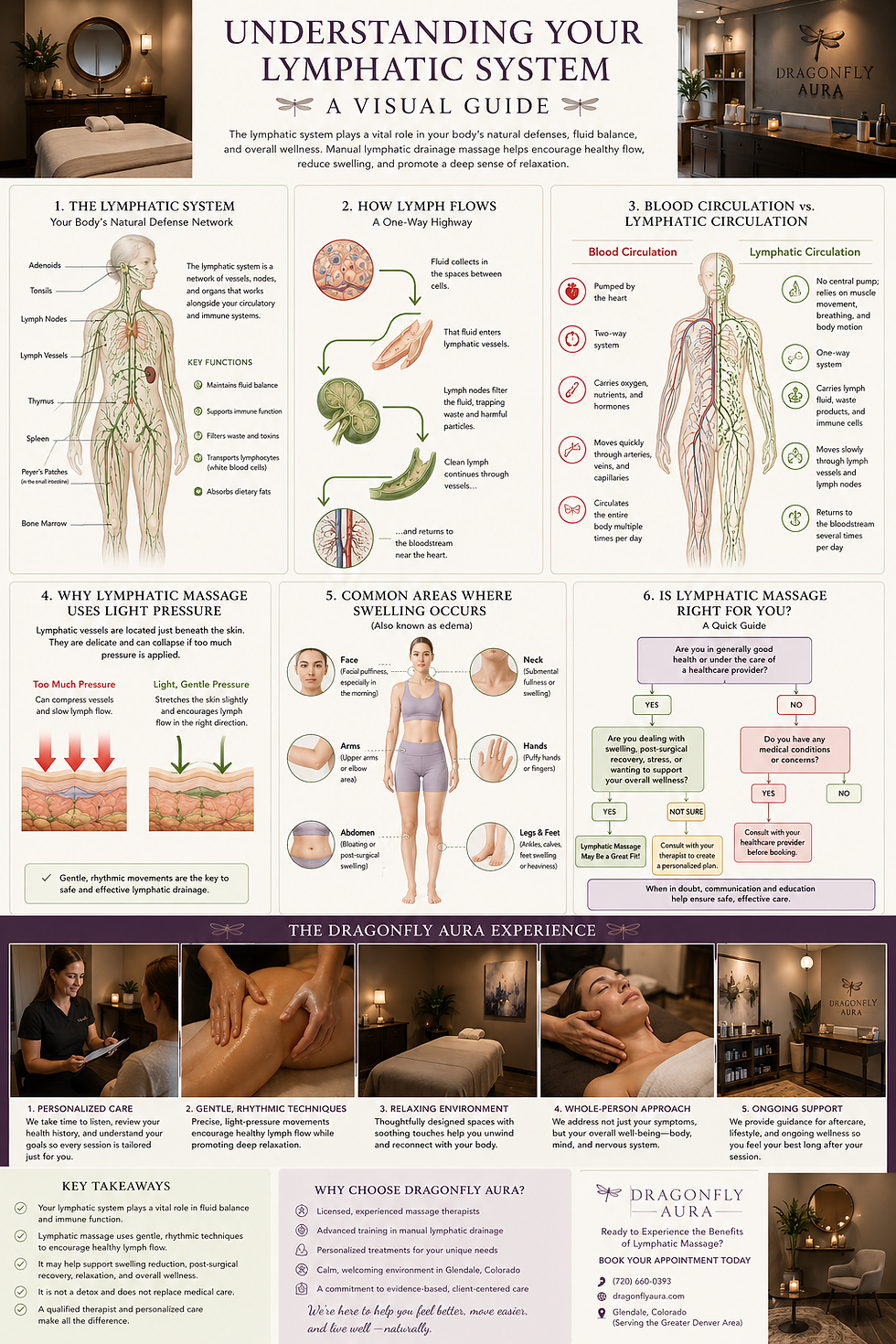
4. Supports Lymphatic Drainage and Detox
Cupping helps stimulate the lymphatic system, which removes waste and toxins from the body. This can help reduce swelling, boost energy, and support overall wellness.
It’s normal to feel slightly tired after cupping as your body adjusts.
Daily tip:
Always hydrate after bodywork to help flush toxins out of your system.
5. Improves Mobility and Flexibility
When muscles and connective tissues loosen, movement becomes easier. Cupping helps separate tissue layers that may be stuck together, improving flexibility and range of motion.
This is great for athletes, active individuals, or anyone feeling stiff.
Daily tip:
Stretch gently after exercise while your muscles are warm to maintain flexibility.
What Are Cupping Marks?
Cupping often leaves round marks on the skin, but these are not bruises. They are caused by increased blood flow and usually fade within a few days to a week.
The color and intensity vary from person to person and are not a sign of injury.
Is Cupping Therapy Safe?

Cupping therapy is safe for most people when performed by a trained professional. However, it may not be suitable for everyone, especially those with certain medical conditions or very sensitive skin.
As a massage therapist, I always adjust the pressure and technique to each client’s comfort level.
How to Get the Most Out of Your Cupping Session
To enjoy the full benefits of cupping therapy:
Eat lightly beforehand
Avoid heavy workouts immediately after
Drink plenty of water
Rest if your body feels tired
Listening to your body is key.
Frequently Asked Questions About Cupping Therapy

Does cupping therapy hurt?
No. Most people find it relaxing. You should never feel sharp pain.
How long do cupping marks last?
Usually 3–7 days, sometimes less.
How often should I get cupping therapy?
This depends on your needs. Some people benefit weekly, others monthly.
Can cupping be combined with massage?
Yes! Cupping works beautifully alongside massage therapy.


Comments